
Swimming pools are more than just backyard luxuries; they’re an investment in healthy living, family time, and outdoor living. But achieving crystal‑clear water and secure swimming conditions takes intentional care. With changing technology and smarter cleaning methods emerging in 2026, pool ownership has never been easier if you know the correct practices.
In this comprehensive guide, we share actionable pool maintenance strategies backed by real‑world experience and industry expertise.
Based on hands-on experience maintaining residential swimming pools and working alongside pool care professionals, these Methods reflect what actually works in real-world conditions, not just theory.
Why Smart Pool Maintenance Matters in 2026
Maintaining a pool goes beyond skimming leaves. Modern pool owners must balance water chemistry, equipment efficiency, safety standards, and eco‑friendly operations.
Benefits of a well‑maintained pool:
- Consistently clear water
- Reduced chemical costs
- Longer equipment lifespan
- Lower energy bills
- Improved swimmer safety
1. Establish a Routine Maintenance Schedule
The secret of clean pool water is consistency.
Daily tasks:
- Skim floating debris and leaves from the water surface.
- Check the water level and refill when necessary.
- Check the pool area for hazards or loose equipment.
- Operate the pump/filtration system within the suggested hours.
Weekly tasks:
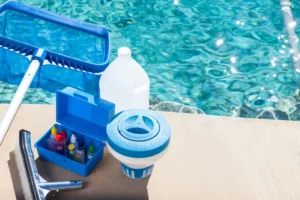
- Test and adjust pH (ideal: 7.4–7.6)
- Check sanitizer levels (chlorine or salt)
- Wash the walls using a brush and clean the floor of the pool.
- Empty skimmer and pump baskets
Monthly tasks:
- Clean or backwash filters
- Check pool equipment (pump, heater, filter, chlorinator)
- Evaluate pool lights, ladders, and safety signage
- Check for leaks, cracks, or unusual wear
Pro Tip: Set reminders on your phone or keep a small maintenance log to track tasks to be done daily, weekly, and monthly. This will ensure that you remain regular and identify problems in time, which are not expensive.
2. Master Chemistry With the Right Balance
Water chemistry affects clarity, comfort, and instrument durability.
Key chemistry elements:
- pH: Prevents eye irritation and rusting
- Alkalinity: Stabilizes pH levels
- Calcium Hardness: Protects surfaces from scaling
- Sanitizer Levels: Prevents bacteria and algae
Smart trick: Use digital test kits to remove guesswork and maintain precise readings.
3. Optimize Filtration for Maximum Efficiency
A reliable filtration system keeps microscopic debris from clouding your pool.
Filter types:
- Sand filters: Low‑maintenance choice
- Cartridge filters: Captures fine particles
- DE (Diatomaceous Earth): Highest filtration quality
Checklist for filter performance:
- Clean cartridges regularly
- Backwash sand/DE filters when pressure rises
- Replace filter media per manufacturer guidelines
4. Use Water‑Saving Techniques
Conservation is a growing focus in 2026.
Efficient practices:
- Cover your pool to reduce evaporation
- Adjust water features to minimize waste
- Fix leaks immediately
Reducing water loss saves money and supports sustainability.
5. Smart Automated Systems
Technology is reshaping pool care.
Automated solutions include:
- Smart Chlorinators that adjust output
- Remote monitoring via apps
- Automatic pool cleaners
- Smart leak detectors
These tools save time and help spot issues before they escalate.
6. Clean and Inspect Pool Surrounds
Maintenance isn’t just about water, it’s about the environment around it.
Tasks to include:
- Sweep decks and patios
- Trim plants to reduce debris
- Check handrails, ladders, and drains
- Maintain non‑slip surfaces
Well‑kept surroundings improve safety and boost homeowner value.
7. Prioritize Safety Every Day
Pool safety goes hand in hand with maintenance.
Essentials:
- Install proper fencing and self‑closing gates
- Keep safety equipment nearby (e.g., life ring, whistle)
- Ensure proper lighting for evening swims
- Apply a clear pool rules sign
Remember, safety reduces accidents and protects loved ones.
8. Seasonal Care: Winterizing & Summer Prep
Each season brings new needs.
Winter Tips
- Lower water level
- Add winter algaecide
- Cover securely
- Insulate exposed plumbing
Summer Ramp‑Up
- Shock the pool before frequent use
- Increase circulation time
- Test the water more often
Seasonal planning prevents damage and keeps water inviting year‑round.
9. Track Maintenance Records
Record keeping makes maintenance proactive rather than reactive.
What to log:
- Date and results of water tests
- Filter servicing
- Chemical additions
- Equipment repairs
Historical data makes problem-solving faster and smarter.
10. Professional Inspections Yield Long‑Term Savings
No matter how diligent you are, annual professional checkups are invaluable.
A certified pool technician can:
- Spot early wear and tear
- Calibrate automation systems
- Evaluate structural integrity
- Tune energy efficiency
Consider professional inspections part of your maintenance budget, not an optional extra.
Frequently Asked Questions:
What is the most effective method for keeping a swimming pool clean?
The best way to keep a pool clean is to skim debris daily, brush walls, vacuum weekly, maintain proper water chemistry, and ensure the filtration system works efficiently. Using automatic cleaners, pool covers, and occasional professional inspections helps keep the water clear and safe.
How important is pool circulation for safety and cleanliness?
Proper circulation ensures even distribution of chemicals, prevents stagnant water, and reduces algae growth. Run the pump for at least 8–12 hours daily, or follow recommendations from a smart pool system.
Can technology help me maintain my pool?
Yes! Smart pool devices can monitor water quality, control pumps, and even schedule robotic cleaning, making pool care much easier for beginners.
What are common beginner mistakes?
Not testing water, overusing chemicals, skipping filter cleaning, and ignoring debris covers.
Why is circulation important?
Circulation spreads chemicals, prevents algae, and keeps water clean. Run the pump 8–12 hours daily.
Conclusion:
Maintaining a swimming pool in 2026 combines routine care, smart technology, and safety practices. Following daily, weekly, and seasonal schedules Maintains the water clean and crystal-clear. Monitoring water chemistry and optimizing filtration secures a healthy swimming environment. Using automated tools and pool covers saves time and reduces chemical use. Regular professional inspections, through renowned companies like Edenscape, and record-keeping extend Instruments life and cut costs. With these strategies, your pool remains a safe, enjoyable space for family and friends year-round.