
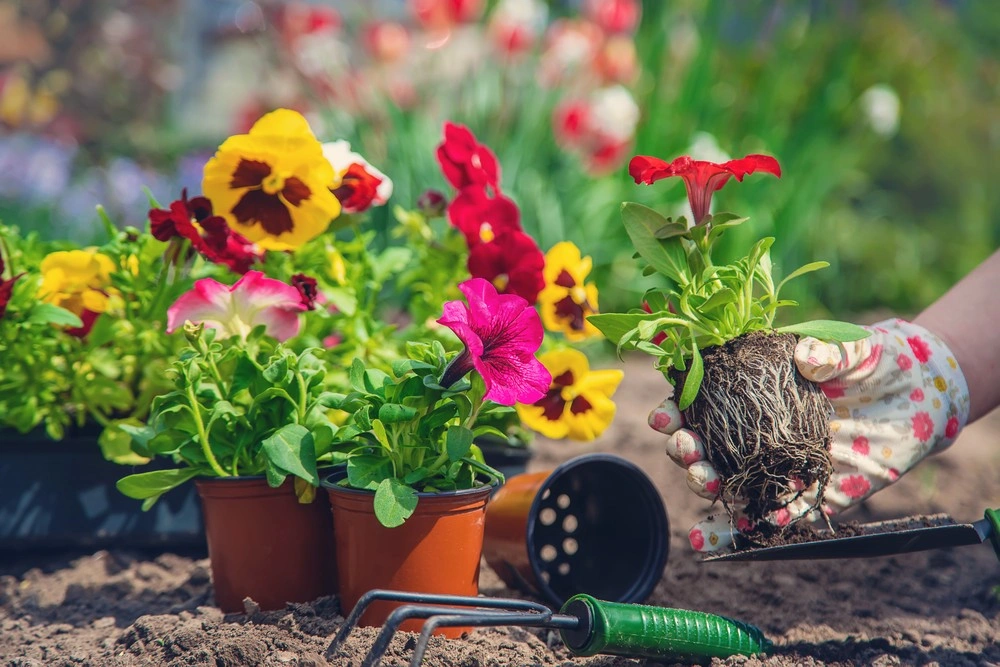
A garden that remains active and colourful throughout the year is the result of careful planning, thoughtful plant selection, and attentive care. By using seasonal planting, you may create a dynamic outdoor setting that features fresh textures, colours, and scents throughout the year. By selecting plants suitable for specific seasonal conditions, gardeners can reduce maintenance, promote healthy growth, and enhance biodiversity. This guide presents top-performing seasonal plants and flowers and provides practical advice to help your garden flourish throughout the year.
Why Seasonal Planting Matters
Seasonal planting is not just about aesthetics. Plants that align with their natural seasons are more resilient to pests, diseases, and weather changes. This process encourages the development of stronger root systems, healthier soil, and continuous bloom of the garden, which enables the gardener to have a balanced and aesthetically attractive garden without having to overuse chemical fertilisers or artificial means. The seasonal planning also helps in supporting the pollinators and other useful wildlife, helping to maintain a sustainable ecosystem.
Spring: Renewal and Vibrancy
The awakening of the gardens after winter is spring, when gardens have a chance to be colored early and grow.
Spring Recommendation Plants.
- Tulips: Have controlled beauty and a wide range of colors.
- Daffodils: Bulbs that thrive in early spring and are very hardy.
- Lilies: Beautiful flowers that enhance heights and perfumes to borders.
- Primroses: Small shrubs that do not need much attention and can be used in the shade.
Spring Care Guidelines
- Prepare the soil with organic compost before planting.
- Check the moisture content with temperature increase.
- Separate congested bulbs and perennials.
Summer: Peak Flowering
Summer is marked by long days and bright sunshine. Plants that withstand heat and cannot absorb water survive this season.
Recommended Plants for Summer
- Marigolds: Pest-resistant and bring out the orange and yellow color.
- Zinnias: Perennial flowers that appeal to butterflies.
- Lavender: Aromatic, drought-resistant, and useful to pollinating insects.
- Sunflowers: Overconfident, jovial flowers, which also sustain birds and insects.
Summer Care Guidelines
- Keep soil moist by mulching around roots.
- Water thoroughly and not very often to make root systems stronger.
- Pruning of wilted flowers to encourage further flowering.
Autumn: Subtle Colors and Structure
Autumn is colder and tends towards warmer and richer colors. Plants that are adapted to this season remain colored and available as they gear up towards winter dormancy.
Recommended Plants for Autumn
- Chrysanthemums: They have bold colors and can endure lower temperatures.
- Pansies: perennial flowers, which endure even in light frosts.
- Ornamental Kale: This is used as a source of texture and colorful foliage.
- Sedum (Autumn Joy): Perennial flowers that increase the structure of the garden.
Autumn Care Guidelines
- Reduce the number of summer annuals in the garden to place cool-season plants.
- Use compost to preserve the warmth of the soil.
- Before the first frost, plant spring-blooming bulbs.
Winter: Resilience and Foliage
Winter gardens may not be unattractive if you pay attention to structure, foliage, and winter-hardy plants.
Recommended Plants for Winter
- Hellebores: These are also known as Lenten roses, and they are flowers that grow in cold seasons.
- Winter Jasmine: Grows yellow flowers which brighten gray vegetation.
- Evergreen Shrubs: These include boxwood, which has greenery throughout the year.
- Camellias: Have shiny leaves and periodic flowers by variety.
Winter Care Guidelines
- Cover frosty tender plants with frost covers.
- Use mulch to regulate temperatures of the soil.
- Keep the pruning down to a minimum to prevent dormant stress in the plants.
Planning a Year-Round Garden
Creating a seasonal planting plan ensures continuous color and vitality. A simple approach:
| Season | Plant type | Special Notes |
|---|---|---|
| Spring | Tulips, Daffodils, Lilies | Plant bulbs in autumn for spring blooms |
| Summer | Marigolds, Zinnias, Lavender | Mulch and water efficiently |
| Autumn | Chrysanthemums, Pansies, Sedum | Prep beds for winter plants |
| Winter | Hellebores, Camellias, Evergreens | Focus on foliage and structure |
This calendar allows gardeners to rotate plants seamlessly, minimize gaps in bloom, and optimize garden aesthetics throughout the year.
Essential Care Practices for All Seasons
- Soil Health: Have the soil pH tested and apply organic matter to enhance soil structure and fertility.
- Watering: Regulating frequency and depth depending on the season, needs to have healthy roots.
- Pest Management: Plant desirable insects, destroy diseased leaves promptly, and apply natural pest deterrents.
- Fertilization: Plant fertilizers with balanced or organic fertilizers at the beginning of the growth period.
Frequently Asked Questions
Is it possible to have a garden that would be colorful all year round?
Yes, through choosing seasonal plants complementing each other and being able to survive in local climatic conditions, it would be possible to have continuous blooms.
What is the way I organize a garden by season?
You need to start by mapping the sunlight, soil type, and temperature. Plants that thrive under these conditions should be selected, and should be changed by season.
Do all the seasons require mulching?
Mulching has a great advantage in preserving the water content of soil, temperature control, and weed suppression. It needs to be modified according to the seasonal requirements.
What are the plants that need minimal maintenance?
Low-maintenance options would include native perennials, evergreens, and hardy bulbs, as they are adjusted to the local climates and do not need much attention
Conclusion:
It is all about the seasonal choice of plants and flowers to keep your garden lively all year long. Choosing the types that are appropriate in each season, you will be able to enjoy a continuous color, texture, and life in your outdoor space. A well-designed garden is a great addition to the beauty of your home, besides providing a relaxing and inviting environment all year round.
Transform your garden today! Read our landscape design tips and planting guides to ensure your outdoor space blooms throughout the year. Contact Edenscape today for a Free Consultation.
Email: info@edenscape.ae
Call now: +971 56 784 2669 | +971 50 537 9330