Landscaping practices are changing as environmental responsibility becomes a practical necessity rather than a design preference. By 2026, environmentally responsible outdoor spaces will focus on efficient resource use, climate-appropriate planning, and long-term functionality. Property owners and designers are increasingly looking for solutions that reduce water consumption, limit maintenance demands, and perform well in changing weather conditions.
Instead of decorative features that require constant upkeep, the emphasis is shifting toward smart planning, durable materials, and plant systems that work with the environment rather than against it. The following trends are shaping the design and management of outdoor spaces in the years to come.
Eco-Friendly Materials as a Long-Term Investment
Material selection plays a critical role in sustainable landscape design. In 2026, priority is being given to materials that offer durability while minimizing environmental impact over their lifecycle.
Commonly used sustainable materials include:
- Reclaimed or recycled timber used for decking, pergolas, and seating
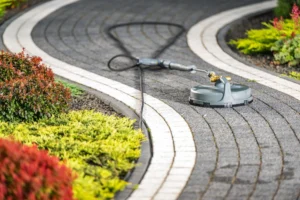
- Permeable paving systems that allow rainwater to filter naturally into the ground
- Locally sourced stone and aggregates to reduce transport-related emissions
- Organic soil enhancers and mulch that improve soil structure and moisture retention
These materials are selected not only for their environmental benefits but also for their ability to age well over time. Landscapes designed with these elements tend to require fewer replacements and repairs, which reduces long-term costs and waste.
Smart Landscaping Systems Improving Efficiency and Control
Technology now plays a practical role in how modern landscapes are planned and maintained. Smart irrigation systems are being adopted to ensure resources are used efficiently without constant manual oversight.
Widely adopted smart solutions include:
- Irrigation systems that respond to weather patterns and soil moisture levels
- Sensors that detect leaks, dry zones, or excess watering
- Energy-efficient outdoor lighting controlled by timers or daylight sensors
- Digital monitoring tools that help track water usage and plant health
These systems allow site design to be managed more accurately and consistently. Water and energy usage can be controlled with precision, which supports sustainability goals while reducing operational effort.
Desert and Climate-Responsive Garden Design
As water availability becomes less predictable, desert and climate-responsive landscaping is gaining wider acceptance beyond traditionally arid regions. These designs are based on plant selection and layout strategies suited to local environmental conditions.
Key characteristics of desert-inspired landscapes include:
- Drought-tolerant plant species adapted to heat and low rainfall
- Soil preparation methods that improve water absorption and retention
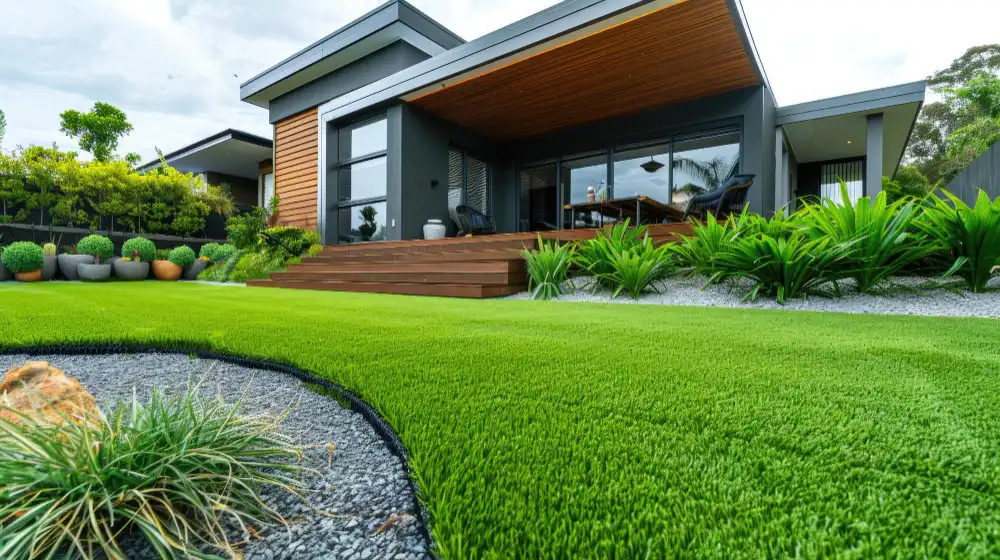
- Use of gravel, stone, and natural textures instead of high-water turf
- Shaded areas created through planting or structures to reduce heat stress
These gardens are designed to remain functional, visually balanced, and resilient over time. They perform well under extreme weather conditions and significantly reduce dependence on irrigation systems.
Low-Maintenance Landscaping for Practical Living
Easy-to-manage outdoor space design is no longer seen as a compromise. In 2026, it is considered a smart and responsible approach to landscaping. Well-planned low-maintenance gardens are designed to remain functional and visually structured with minimal intervention.
Effective low-maintenance strategies include:
- Grouping plants with similar water and sunlight needs
- Favoring perennial and native species over seasonal plantings
- Using ground covers to control weeds and protect soil
- Reducing high-maintenance lawn areas where possible
These landscapes are easier to manage over time and are better suited to residential and commercial properties where ongoing maintenance resources may be limited.
Water Efficiency and Ecological Balance
Eco-conscious outdoor design places a strong emphasis on water conservation and ecosystem support. Efficient water management is integrated into the design rather than treated as an afterthought.
Common practices include:
- Rainwater collection for landscape irrigation
- Drip irrigation systems that deliver water directly to plant roots
- Soil conditioning to improve moisture retention
- Selection of plants that require minimal supplemental watering
In addition, biodiversity is increasingly considered during planning. Native plants, pollinator-friendly species, and chemical-free maintenance approaches help create landscapes that support local wildlife and natural balance.
Conclusion
Sustainable landscaping in 2026 reflects a shift toward practical design decisions, responsible material use, and efficient landscape management. Eco-conscious materials, smart systems, desert-adapted gardens, and reduced-maintenance layouts are shaping outdoor spaces that are built for longevity rather than short-term appearance.
By adopting these trends, property owners can create landscapes that are cost-effective, environmentally responsible, and suited to future climate demands.
Frequently Asked Questions
What are the key sustainable landscaping trends for 2026?
Major trends include eco-conscious material use, smart irrigation and lighting systems, climate-responsive garden design, and low-maintenance landscape layouts that reduce long-term resource consumption
Which eco-friendly materials are commonly used in sustainable landscaping
Common materials include reclaimed timber, permeable paving, locally sourced stone, and organic soil enhancers. These options reduce environmental impact while supporting durability and natural water movement.
What are the benefits of desert or climate-responsive garden design?
These gardens require less irrigation, tolerate heat and dry conditions, and maintain structure with minimal upkeep, making them ideal for long-term sustainability.
Does eco-friendly landscaping require special maintenance?
No. Most eco-friendly landscapes are designed to simplify maintenance by using climate-appropriate plants, efficient irrigation systems, and improved soil preparation.
Why is sustainable landscaping becoming more important in 2026?
Rising water costs, climate variability, and long-term maintenance concerns are driving demand for landscapes that are resilient, resource-efficient, and environmentally responsible.