As the New Year begins, homeowners and property managers are seeking smarter, more sustainable ways to manage landscapes. Smart irrigation and lighting systems are among the most effective upgrades to save water, cut energy costs, and improve plant health, all while reducing manual effort.
This guide explains how these systems work, why winter is the perfect time to install them, and how to get started with a practical, cost-effective plan.
Why Automated Irrigation and Lighting Are Essential
Traditional irrigation and lighting often operate on timers or manual schedules. The result? Overwatering, wasted energy, and higher costs. Intelligent systems solve these problems by leveraging sensors, automation, and connectivity.
Benefits include:
- Water conservation: Irrigate only when plants actually need it.
- Power efficiency: Lights turn on and off automatically.
- Healthier plants: Reduced stress and disease risks.
- Remote management: Control your landscape from anywhere.
- Sustainability: Reduce waste and environmental impact.
How Intelligent Irrigation Works
A smart irrigation solution monitors environmental conditions to water your plants efficiently.
Key components:
- Weather sensors – Detect rainfall, temperature, and humidity.
- Soil moisture sensors – Water only when the soil is dry.
- Smart controllers – Adjust watering schedules automatically.
- Mobile app connectivity – Manage your system remotely and receive alerts.
Impact: Water use can drop by 20–50% while keeping plants healthy and vibrant.
Automated Outdoor Lighting Systems
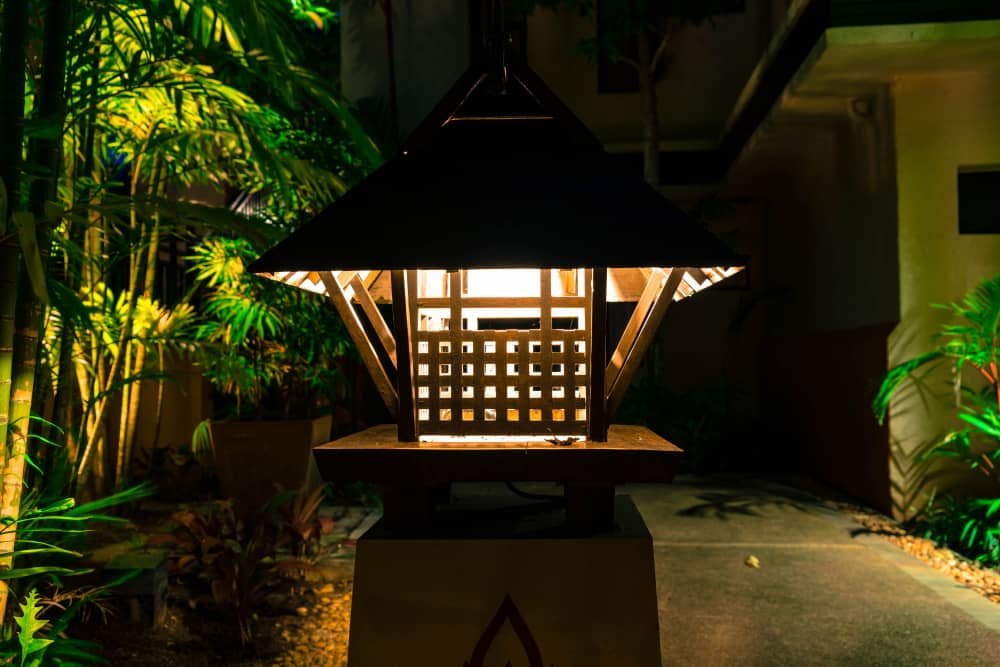
Smart outdoor lighting adapts to your environment, enhancing safety and efficiency.
Features:
- Motion detection: Lights turn on only when someone is present.
- Daylight sensing: Lights dim or turn off during daylight hours.
- Automated scheduling: Programs adjust automatically without manual input.
- Energy monitoring: Track usage and reduce electricity costs.
These systems save money, reduce light pollution, and improve nighttime visibility.
Why Winter and Early Spring Are Ideal for Installation
Winter may seem counterintuitive, but it’s actually a great time for installation:
- Less disruption: Plants are dormant.
- Strategic planning: Analyze water and energy data from the past year.
- Early testing: Calibrate sensors before peak watering or lighting seasons.
- Lighting optimization: Adjust schedules when days are shorter.
Step-by-Step Upgrade Roadmap
- Conduct a Site Assessment
- Identify existing irrigation zones, lighting issues, and areas for improvement.
- Select Compatible Hardware
- Choose controllers, sensors, and lighting systems suitable for your property and weather conditions.
- Install Sensors and Controllers
- Position soil sensors near roots and weather sensors in open areas.
- Connect and Configure
- Set watering schedules, lighting zones, and alerts via the mobile app.
- Test and Calibrate
- Ensure irrigation coverage and lighting sensors work correctly.
- Monitor and Adjust
- Review usage reports and adjust schedules as seasons change.
- Review usage reports and adjust schedules as seasons change.
Expected Results
Users who upgrade to automated irrigation and lighting systems typically see:
- 30% or more water savings
- Up to 40% lower electricity usage costs for outdoor lighting
- Healthier plants and greener lawns
- Reduced environmental impact
Frequently Asked Questions
Q1: How much water can an intelligent irrigation system save?
Smart irrigation can reduce water use by 20–50% by adjusting watering based on weather and soil moisture.
Q2: Do automated lighting systems work in extreme weather?
Yes, modern systems are designed with weatherproof sensors and adaptive controls to handle temperature and moisture changes.
Q3: Can I control these systems remotely?
Most smart systems offer app connectivity for remote monitoring and scheduling from anywhere.
Q4: Are these systems expensive to install?
Upfront costs vary based on site size and capabilities. Long‑term savings on utility bills often offset installation expenses.
Q5: Will smart irrigation improve plant health?
Yes, by watering only when necessary and at appropriate levels, plant stress and disease risk decrease.
Q6: Can intelligent lighting reduce light pollution?
Yes motion‑based and daylight‑adaptive lighting minimizes unnecessary illumination.